

Aperture explained simply for portrait photographers
If you’re constantly Googling the best aperture settings for portraits before a session, you’re not alone.
A lot of photographers hear terms like aperture, f-stop, and depth of field all the time. However, nobody really slows down long enough to explain what those terms actually mean in plain English.
So, what happens?
You end up memorizing random settings instead of understanding what your camera is doing.
Then you get home and wonder why one person is sharp while someone else is blurry.
We’ve been there.
The good news?
Aperture is much simpler than most photographers think. And once it clicks, manual mode starts making a whole lot more sense.
So let’s keep it simple.
By the end of this guide, you’ll understand:
Because your camera is not broken.
You just need a plan.


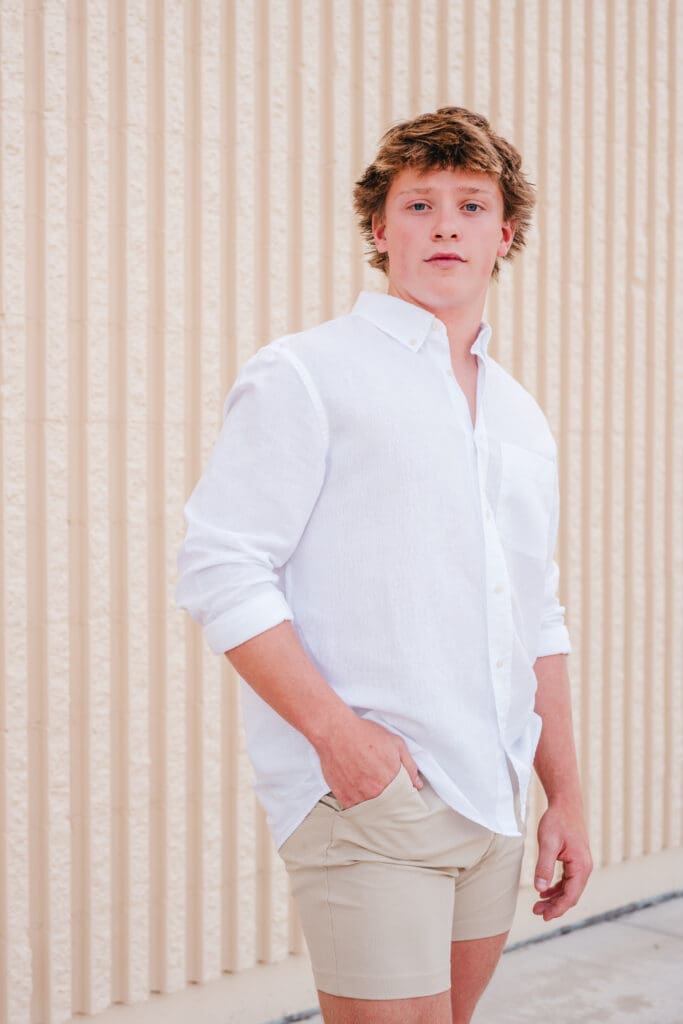
What is Aperture in Photography?
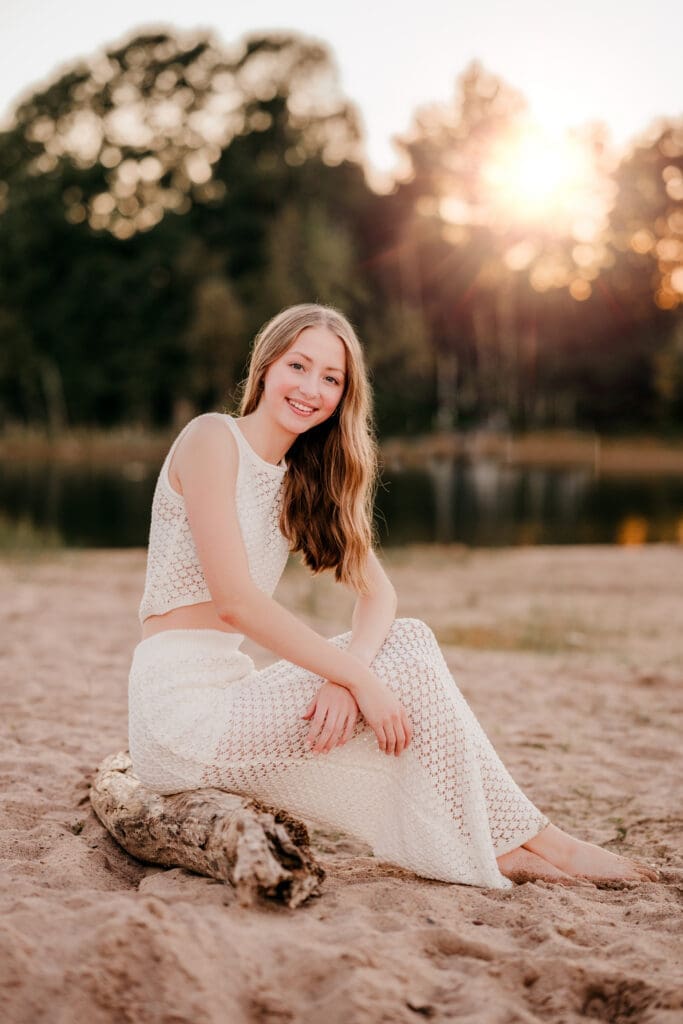
Aperture is the opening inside your lens that lets light into your camera.
Think about a window.
A wide-open window lets in lots of light.
A smaller window lets in less light.
Your lens works the same way.
Aperture is measured using something called f-stops.
You’ll see numbers like:
• f/1.8
• f/2.8
• f/4
• f/5.6
• f/8
And yes…
The numbers feel backwards.
Because the smaller the number, the larger the opening.
We know. Rude. 😂
But once that clicks, manual mode starts making a lot more sense.
What does Aperture affect?
Aperture controls 2 important things:
1. Brightness
A lower f-stop lets more light into your camera.
Examples:
• f/1.8 = brighter image
• f/8 = darker image
This is one reason photographers often use lower apertures during sunset sessions or in darker locations.
More light enters the lens.
Simple.
2. Background blur and focus
This is usually the part portrait photographers care about most.
Aperture controls how much of your image stays in focus.
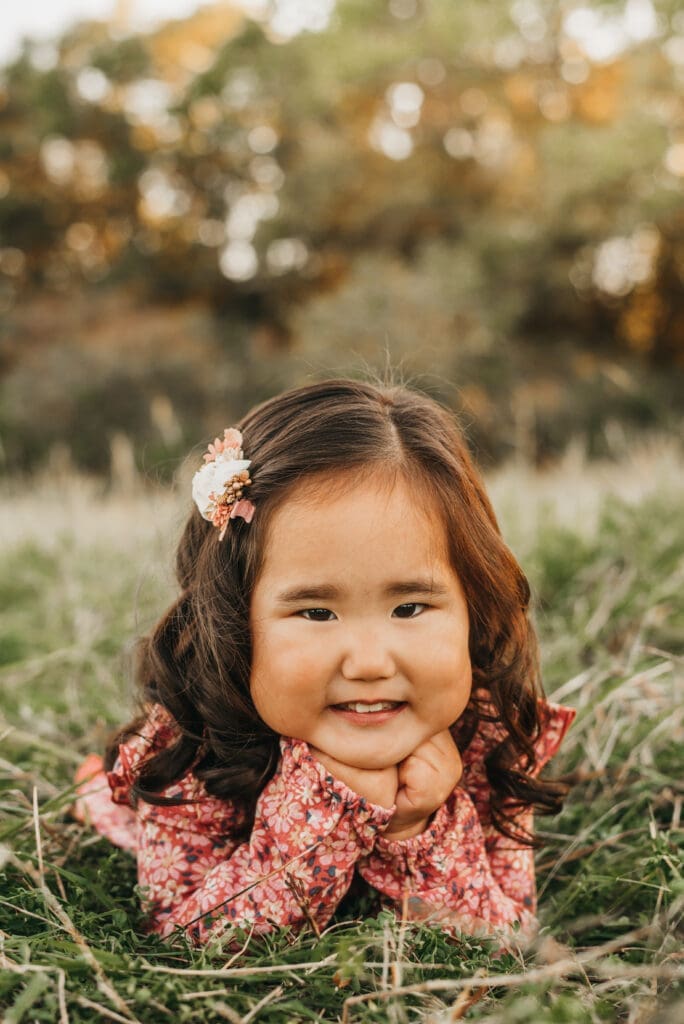
Lower apertures create more background blur
Think:
• f/1.8
• f/2
• f/2.8
These settings create those soft, creamy backgrounds that photographers love.
Typically:
• Your subject stays sharp
• The background becomes blurry
Great for:
• Senior sessions
• Couples
• Branding sessions
• Individual portraits
Higher apertures keep more in focus
Think:
• f/5.6
• f/8
• f/11
These settings keep more of your image sharp.
Perfect for:
• Families
• Wedding parties
• Large groups
• Multiple rows of people
Because if you photograph a family of 8 at f/1.4…
Someone’s grandma is probably blurry.
And we do not want blurry grandma.


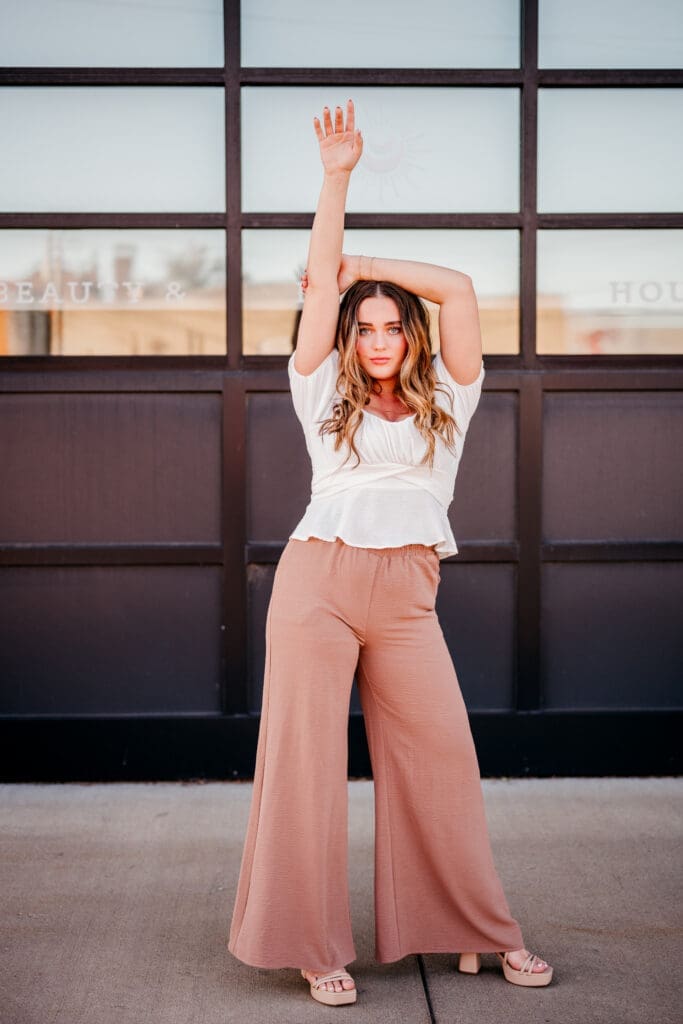
Why family photos sometimes look blurry
This is one of the most common mistakes beginner photographers make.
They hear:
“Always shoot wide open.”
So they shoot everything at:
• f/1.4
• f/1.8
Even large groups.
The problem?
Very low apertures create a very shallow depth of field.
That means only a small portion of your image is actually sharp.
If family members are standing at different distances from your camera, some people may fall outside that focused area.
The result?
Photos that feel:
• Soft
• Inconsistent
• Frustrating
• Random
It’s not because you’re bad at photography.
It’s because aperture matters.

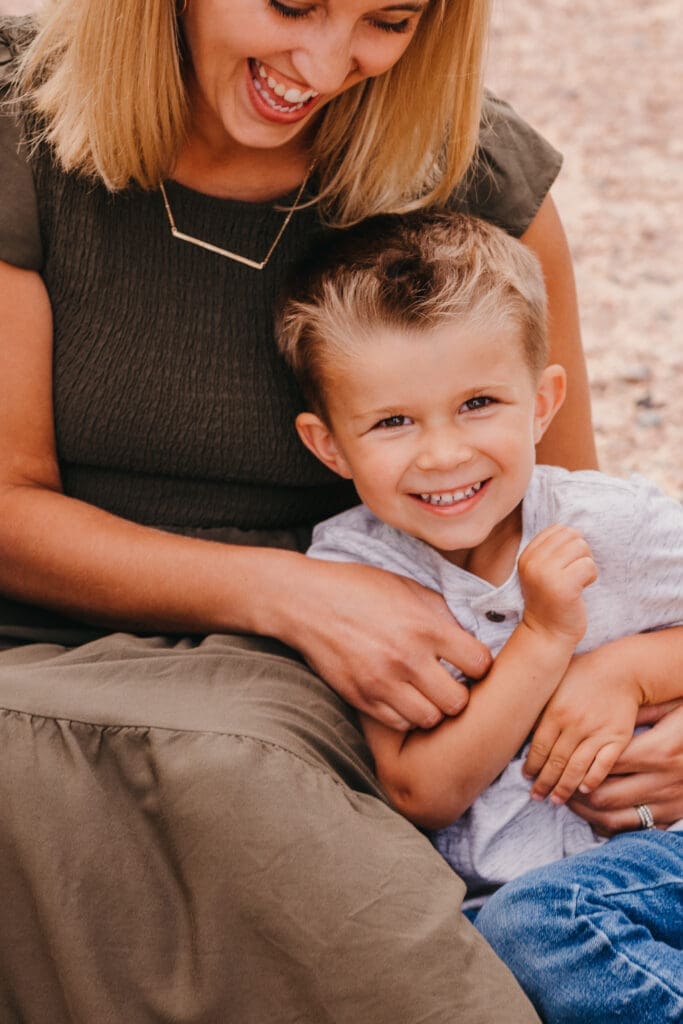
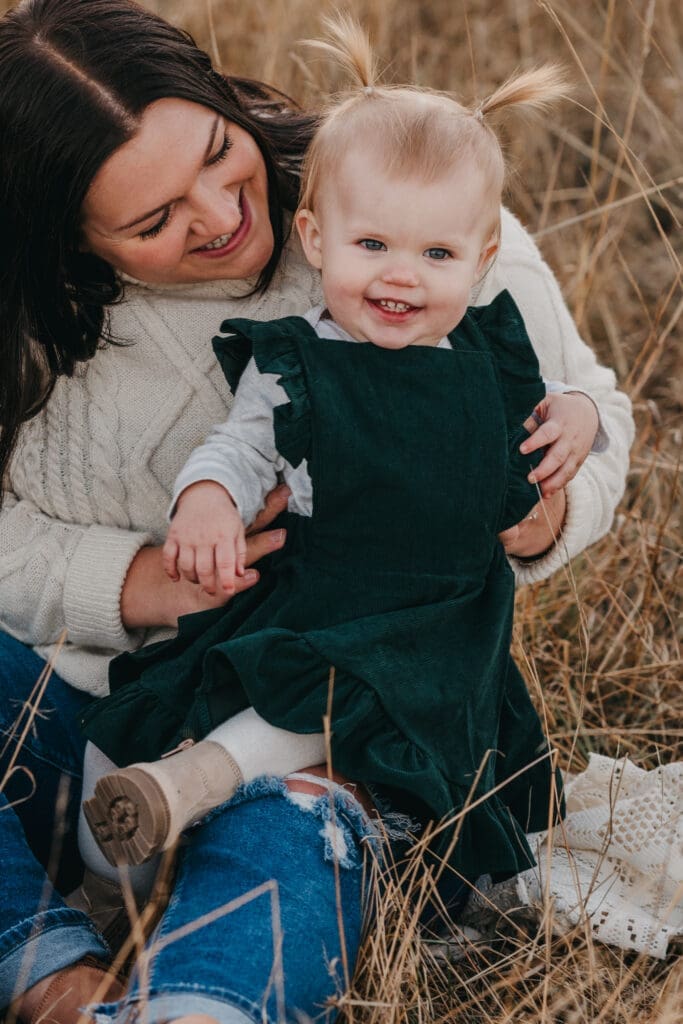
Best aperture settings for portraits
These are not hard rules.
They’re simply great starting points.
Individual portraits
Try:
• f/1.8
• f/2
• f/2.8
Why?
Because only one person needs to stay sharp.
You’ll get:
• Beautiful background blur
• Soft depth
• Sharp eyes
Couples
Try:
• f/2.2
• f/2.8
• f/3.2
Why go slightly higher?
Because now you have two people who need to stay in focus.
Especially if they’re angled differently.
Families
Try:
• f/3.5
• f/4
• f/5
As families get larger, your aperture usually needs to increase.
Especially when you have:
• Multiple rows
• Moving children
• Uneven posing
Large groups and wedding parties
Try:
• f/5.6
• f/6.3
• f/8
These settings help keep more faces sharp.
Because nothing creates panic faster than zooming into a wedding gallery and realizing half the bridal party is soft.
Character-building moment. 😂
The secret most photographers miss
Aperture is not just about the number.
It’s also about how your subjects are positioned.
This is huge.
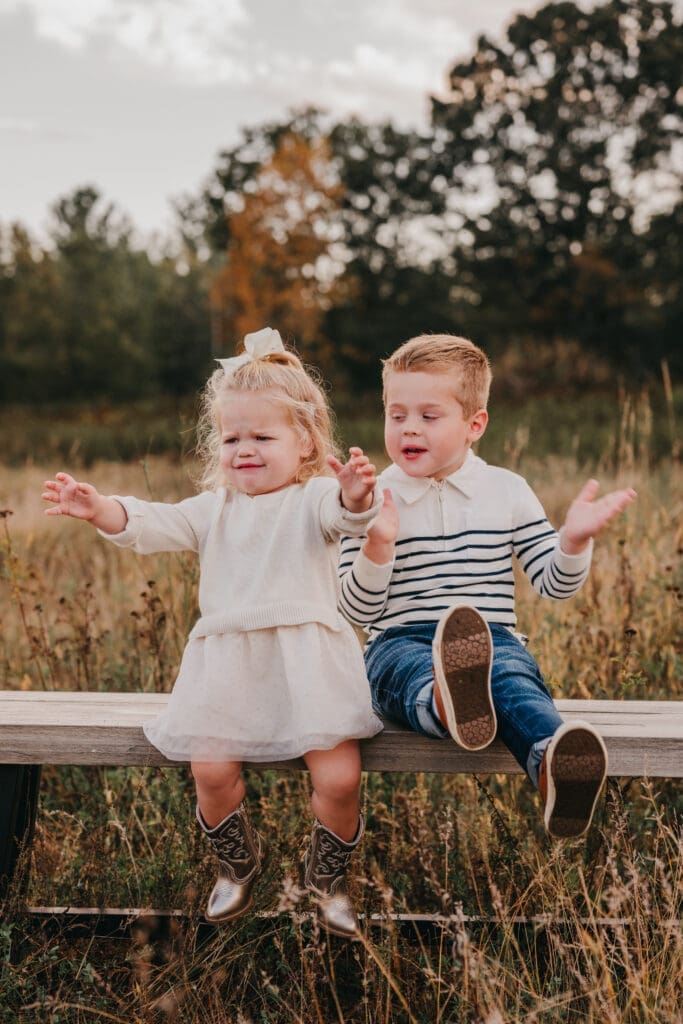
If everyone stands on the same plane, you can often use a lower aperture.
But if people are staggered:
• Front to back
• Multiple rows
• Different distances from the camera
You’ll likely need a higher aperture.
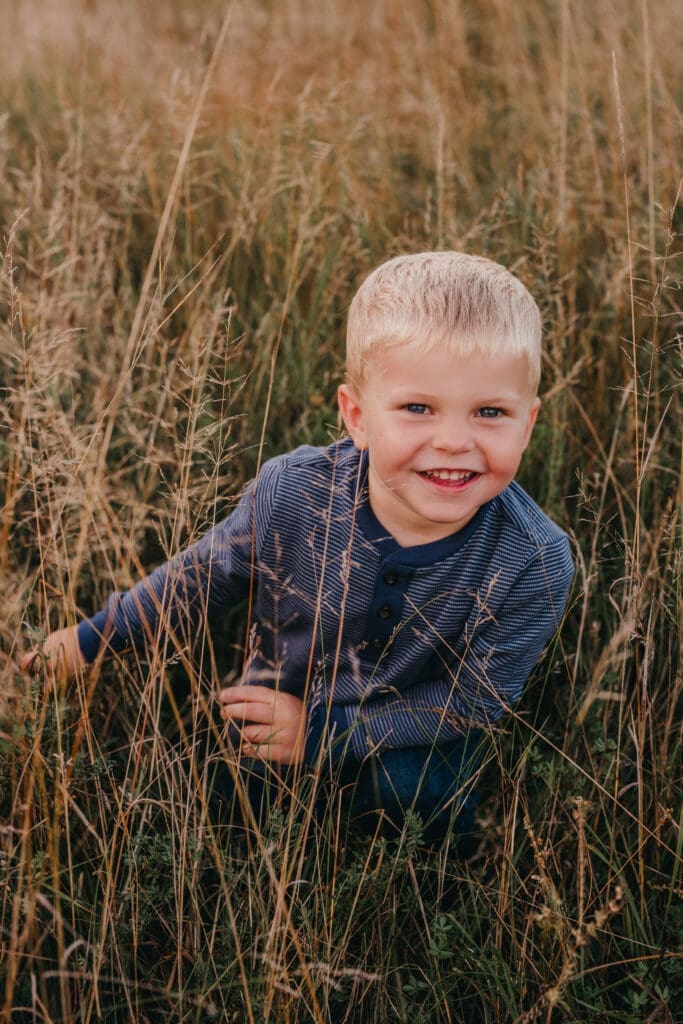
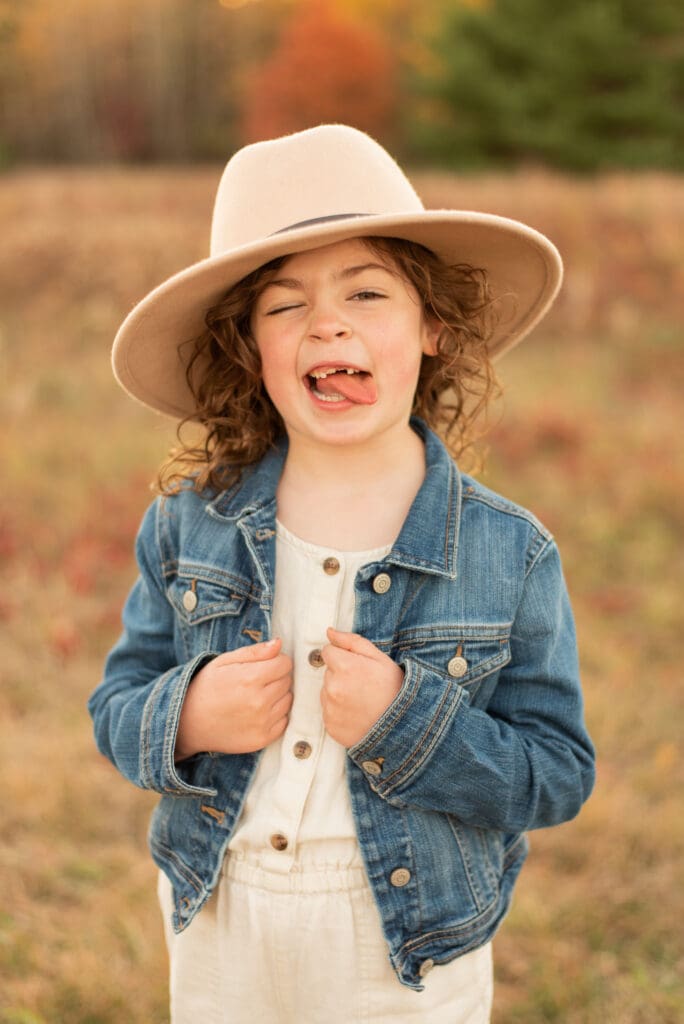
Posing and aperture work together.
A simple trick for sharper group photos
When photographing groups:
Keep everyone as close together as possible.
The more distance between rows, the harder it becomes to keep everyone sharp.
Instead:
• Keep rows tight
• Align faces when possible
• Avoid huge gaps between people
Straight lines help more than most photographers realize.
Especially for wedding parties.
Where should you focus?
This question comes up all the time.
For group photos
Focus near the center of the group.
Usually:
• Front row
• Near the middle
This gives you the best chance of keeping everyone sharp.
For individual portraits
Focus on the eye closest to the camera.
Always.
Eyes matter most.
The biggest aperture mistake beginners make
Overcomplicating it.
Seriously.
Many photographers think they need to memorize hundreds of settings combinations.
You don’t.
You simply need to understand:
• What aperture does
• When to lower it
• When to raise it
That’s it.
You do not need to memorize random settings.
You need to understand why you’re choosing them.
Real-life aperture examples
Let’s look at a few common situations.
Senior portrait session
You might choose:
f/2
Because:
• One person needs to stay sharp
• You want background blur
Family of 6
You might choose:
f/4.5
Because:
• Multiple people need focus
• People may be standing at different distances
Wedding party
You might choose:
f/5.6 or higher
Because:
• Multiple rows exist
• Lots of faces need to stay sharp
Notice something?
The aperture changes based on the situation.
That’s the goal.
Understanding.
Not memorization.
Ready to finally understand manual mode?

If you’re tired of guessing your settings, second-guessing yourself during sessions, or wondering why your photos look different every time you shoot…
Our Manual Mode Training was created for you.
Inside, we break everything down step-by-step using simple language and real examples so photography finally makes sense.
No fluff.
No overwhelming tech talk.
Just practical education that helps you feel confident with your camera.
👉 Watch the Manual Mode Training and start here.
https://esquaredphotography.com/manual-mode-live-training-june
More places to hang out with us 📸
📷 Follow us on Instagram:
https://www.instagram.com/esquared.photography/
🎁 Grab more free photography resources:
https://esquaredphotography.com/freebies
You are not behind.
You just need a plan.
Glow & Grow with E-Squared
How to Master Natural Light for Stunning, Client-Winning Portraits. This video training walks you through how to avoid bad light, deal with not ideal light, and find beautiful light.
Free Training


