

Shutter speed explained simply for portrait photographers
If you’re trying to understand shutter speed for portrait photography, you’re not alone.
A lot of beginner photographers feel overwhelmed by shutter speed because everyone talks about fractions, freezing motion, and camera settings like you’re supposed to magically understand what it all means.
We get it.
We’ve been there.
And if you’ve ever looked at your camera and wondered why your photos keep coming out blurry, this guide is for you.
Okay, let’s keep this simple.
By the end of this blog, you’ll understand:
- What shutter speed actually is
- How shutter speed affects your photos
- When to use a faster shutter speed
- When to use a slower shutter speed
- The biggest shutter speed mistakes beginners make
- How shutter speed works with aperture and ISO
Because your camera is not broken.
You just need a plan.
What is shutter speed?

Shutter speed controls how long your camera collects light.
Think of it like opening and closing a window.
The longer the window stays open, the more light comes in.
The shorter the window stays open, the less light comes in.
That’s it.
Seriously.
If you’ve ever Googled:
“What’s the best shutter speed for portraits?”
five minutes before a session…
welcome. 😂
Most shutter speeds look something like this:
1/100
1/250
1/500
1/1000
1/2000
The bigger the bottom number, the faster the shutter speed.
How shutter speed affects your photos
Aperture controls 2 important things:
1. Brightness
A lower f-stop lets more light into your camera.
Examples:
• f/1.8 = brighter image
• f/8 = darker image
This is one reason photographers often use lower apertures during sunset sessions or in darker locations.
More light enters the lens.
Simple.
2. Background blur and focus
Thutter speed controls 2 main things:
1. Brightness
This is the easy one.
A slower shutter speed lets in more light.
A faster shutter speed lets in less light.
For example:
1/100 lets in more light than 1/500.
Simple.
2. Motion blur
This is where shutter speed becomes really important.
A fast shutter speed freezes movement.
A slow shutter speed allows movement to blur.
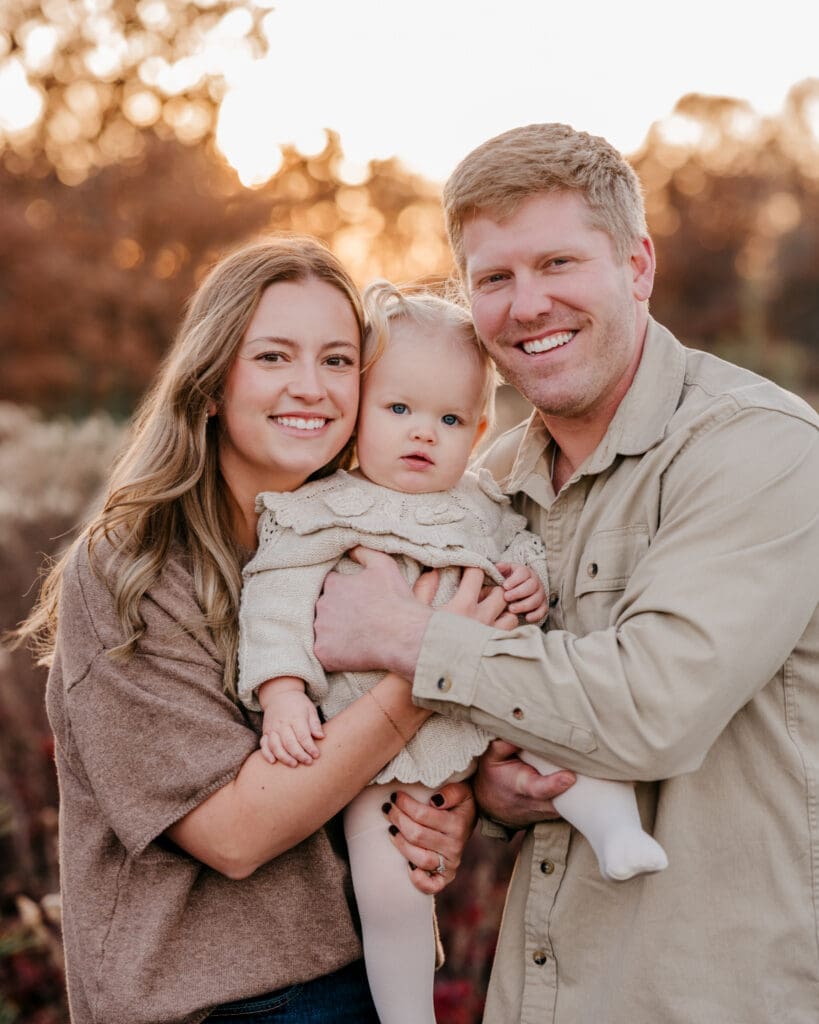
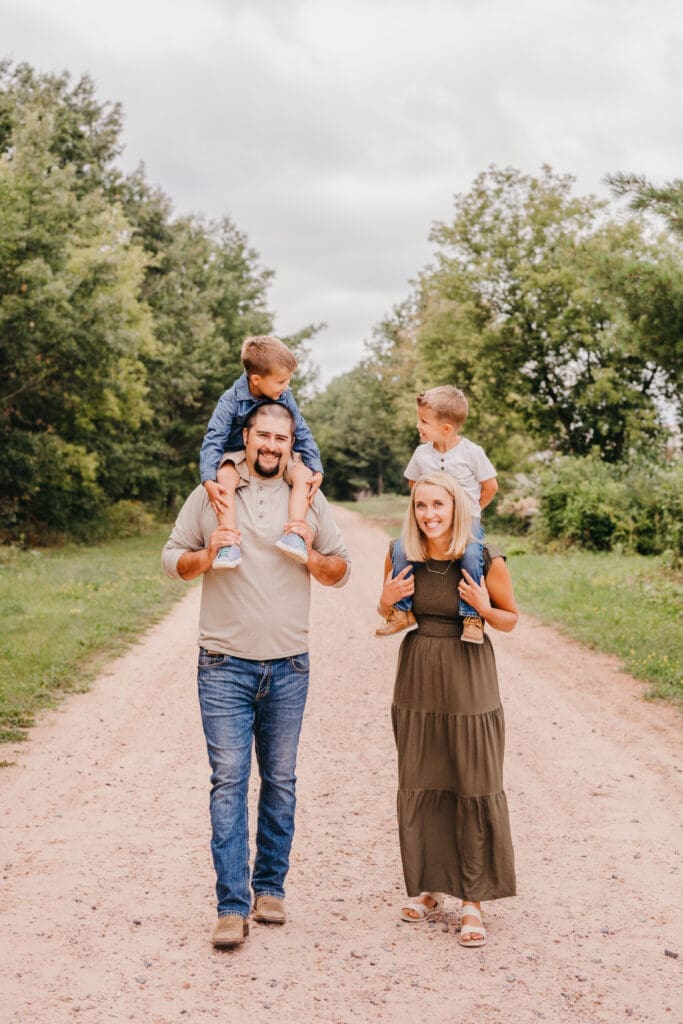
Think about a child running through a field.
If you’re shooting at 1/1000, you’ll freeze the action.
If you’re shooting at 1/60, you’ll probably capture motion blur.
Neither is automatically right or wrong.
It depends on what you’re trying to create.

Why photographers struggle with shutter speed
Because blurry photos are frustrating.
You spend all this time planning a session.
The light is beautiful.
Your client looks amazing.
Then you zoom in and realize…
Nothing is actually sharp.
Not fun.
The problem is that many photographers assume blurry photos mean:
“My focus is bad.”
Sometimes that’s true.
But often?
The shutter speed was simply too slow.


The biggest shutter speed mistake beginners make
Shooting too slow.
We see this all the time.
Someone is photographing:
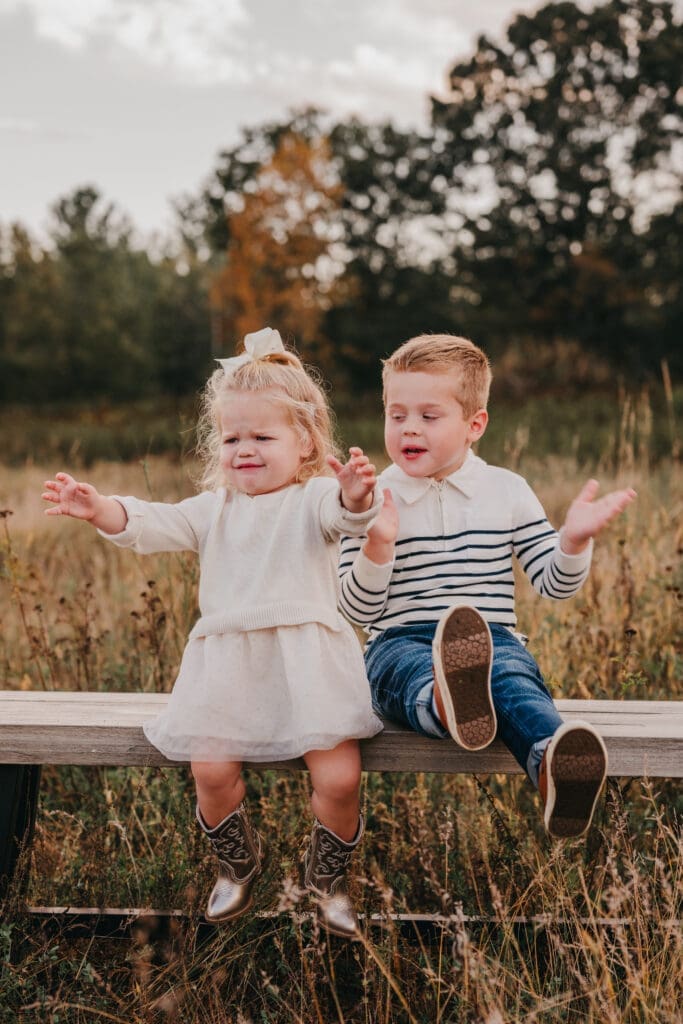
Kids
Families
Couples walking
Senior sessions with movement
And their shutter speed is:
1/80
1/100
1/125
Then they wonder why things feel soft.
The reality is that people move.
Even when they think they’re standing still.
Tiny movements matter.
A lot.
A good starting point for portraits
If you’re photographing people, we generally recommend starting around:
1/250
or faster.
This helps eliminate most movement from:
- Breathing
- Swaying
- Walking
- Talking
- Kids being kids
Because let’s be honest.
Kids move approximately 87 miles per hour. 😂



When should you use a faster shutter speed?

Use a faster shutter speed when your subject is moving.
For example:
Family sessions
Kids running.
Parents playing.
Everyone moving around.
A shutter speed around:
1/500
or faster
can help keep things sharp.
Senior sessions
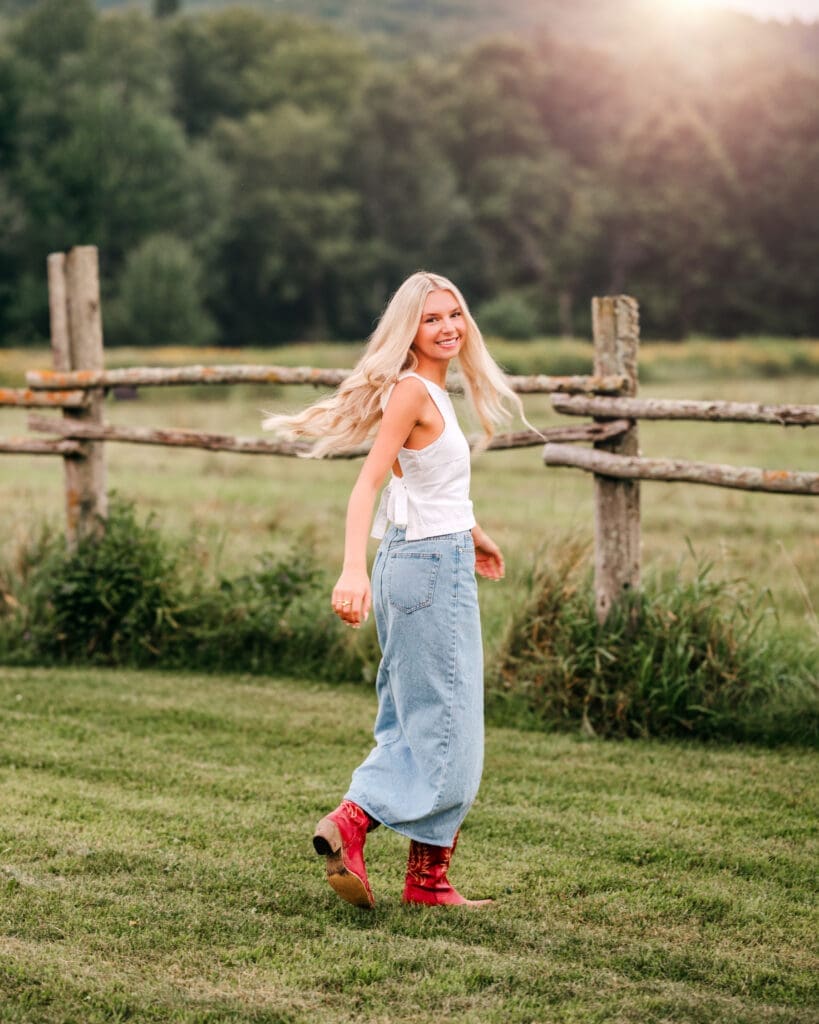
If you’re incorporating movement:
Walking
Spinning
Jumping
Hair flips
You’ll often want:
1/500
1/800
or faster.
Sports photography
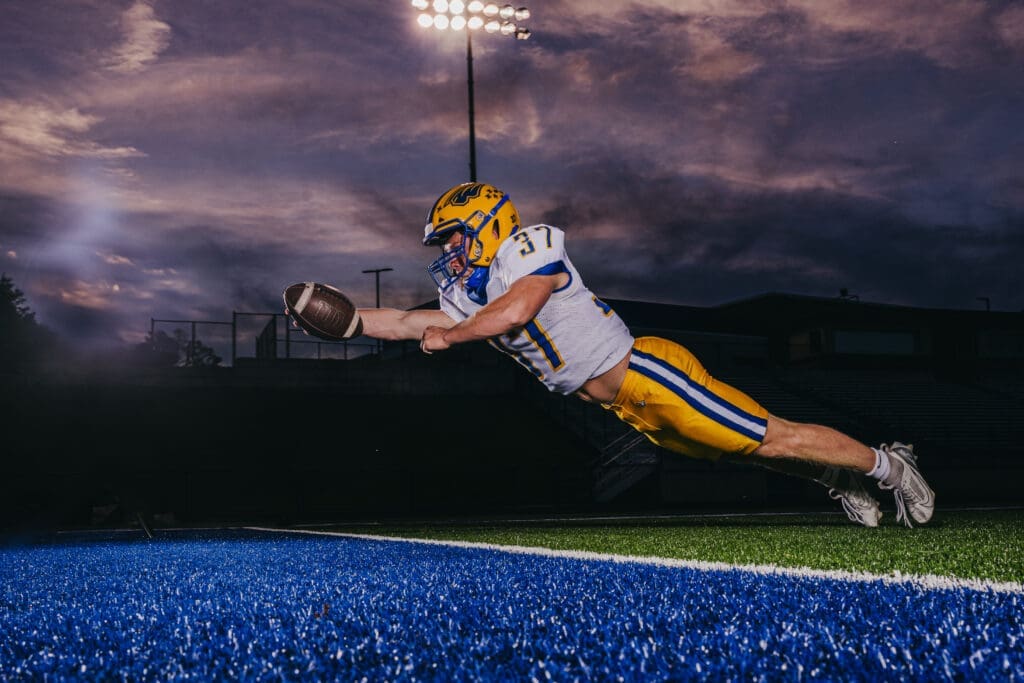
This is where shutter speed becomes even more important.
Many sports photographers shoot at:
1/1000
1/2000
or higher
to freeze action.
When should you use a slower shutter speed?

When movement isn’t a concern and you need more light.
For example:
Indoor portraits
Low-light situations
Subjects sitting still
But be careful.
Just because your camera allows 1/60 doesn’t mean it’s the best choice.
Sharp photos still matter.
A simple way to think about shutter speed
Ask yourself:
“Is my subject moving?”
If yes:
Increase your shutter speed.
If no:
You may be able to use a slower shutter speed.
Stop overcomplicating it.
The secret most photographers miss


Shutter speed is not about memorizing numbers.
It’s about solving a problem.
The question isn’t:
“What shutter speed should I always use?”
The question is:
“What shutter speed does this situation require?”
Those are very different questions.
A real-life example
Let’s say you’re photographing a family session.
The kids are running around.
Everyone is laughing.
People are moving constantly.
You start with:
f/4
ISO 200
1/125
Your images feel blurry.
Instead of blaming your focus, try increasing your shutter speed.
Maybe:
1/250
Maybe:
1/500
Maybe even:
1/800
depending on how much movement is happening.
Suddenly your photos look much sharper.
Not because you became a better photographer in 30 seconds.
But because you chose the right tool for the situation.
How shutter speed works with aperture and ISO
Here’s the important part.
Shutter speed is only ONE piece of manual mode.
The other 2 settings are:
Aperture
ISO
And all 3 work together.
Let’s say you increase your shutter speed from:
1/250
to
1/1000
Your image will get darker because less light is entering the camera.
To compensate, you may need to:
- Open your aperture
- Raise your ISO
- Move into better light
Every setting affects the others.
That’s why understanding the relationship between all 3 matters so much.
The biggest mindset shift
You do not need to memorize the perfect shutter speed.
There isn’t one.
The right shutter speed depends on:
The light
The movement
The subject
The situation
Understanding beats memorization every single time.
Final thoughts
If shutter speed has felt confusing, hear this:
You are not behind.
Most photographers struggle with shutter speed because no one explained it clearly.
Keep it simple:
- Faster shutter speed = less blur, less light
- Slower shutter speed = more blur, more light
- Use faster shutter speeds for movement
- Don’t be afraid to increase shutter speed when people are moving
- Sharp photos are usually the goal
That’s the foundation.
And once shutter speed starts making sense, manual mode gets a whole lot less intimidating.
Watch the Manual Mode Training Replay from our last training here:

If you’re tired of guessing your settings, second-guessing yourself during sessions, or wondering why your photos look different every time you shoot…
Our Manual Mode Training was created for you.
Inside, we break everything down step-by-step using simple language and real examples so photography finally makes sense.
No fluff.
No overwhelming tech talk.
Just practical education that helps you feel confident with your camera.
👉 Grab our free photography resources and tools here.
Photography Education Esquared | Freebies
More places to hang out with us 📸
📷 Follow us on Instagram:
https://www.instagram.com/esquared.photography/
You are not behind.
You just need a plan.
Glow & Grow with E-Squared
How to Master Natural Light for Stunning, Client-Winning Portraits. This video training walks you through how to avoid bad light, deal with not ideal light, and find beautiful light.
Free Training


