

Posing Families with Older Kids Made Simple
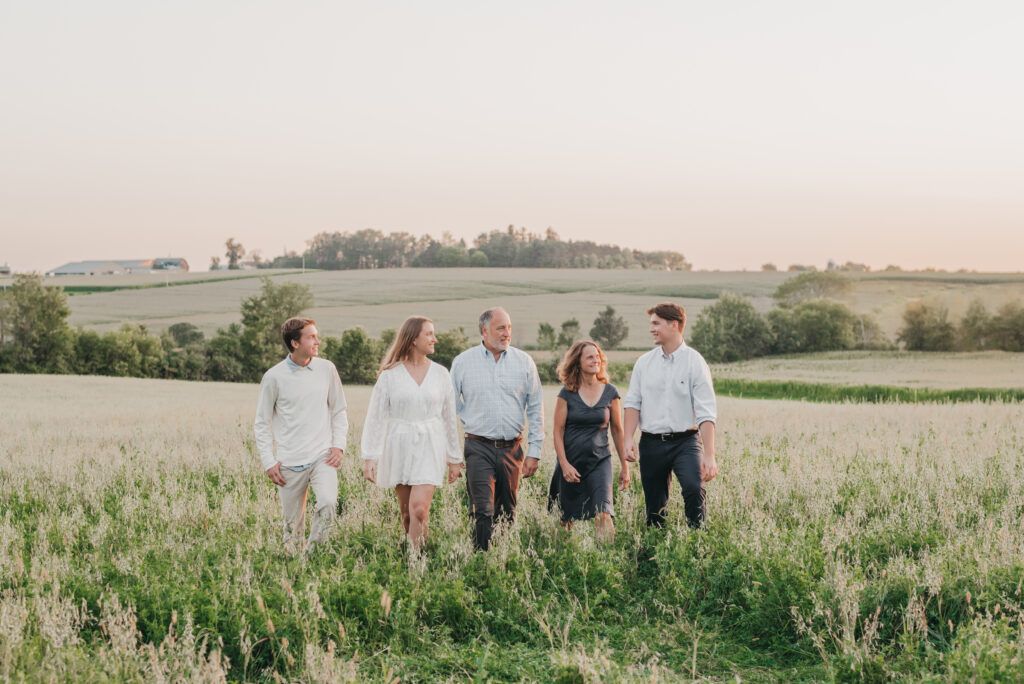
Family sessions with older kids might seem easier than photographing toddlers, and honestly, they usually are. Older kids can follow directions, stay in one place, and cooperate much longer. But that doesn’t mean you need dozens of complicated poses.
The biggest mistake we see photographers make is overthinking it.
Instead of trying to memorize Pinterest boards full of poses, keep your workflow simple. A handful of poses, a few small variations, and good communication will give your clients a gallery they’ll love.
Let’s keep this simple.
Take advantage of the best light


One of the biggest perks of photographing families with older kids is flexibility. Since they can stay up later, you can usually schedule sessions one to two hours before sunset when the light is soft, warm, and flattering.
The sessions themselves are usually quick, too. Most immediate families with older children only need about 15 to 30 minutes to capture plenty of variety.
Start with simple standing family poses


We always begin with traditional standing portraits because they’re usually the photos families want to print first.
Put mom and dad in the middle

Start by placing mom and dad in the center with the kids on each side. Then remind everyone to stay connected by holding hands, linking arms, or resting a hand on someone’s shoulder.
Switch who stands in the middle

Without changing much else, move the kids to the center and place mom and dad on the outside. One small adjustment gives the family a completely different look without making anyone relearn a new pose.
Bring everyone close together

For another easy variation, have everyone squeeze in close. Think cheek to cheek, big family hugs, and genuine smiles. Then ask them to look at each other instead of the camera for a few candid moments.
Add movement with walking poses
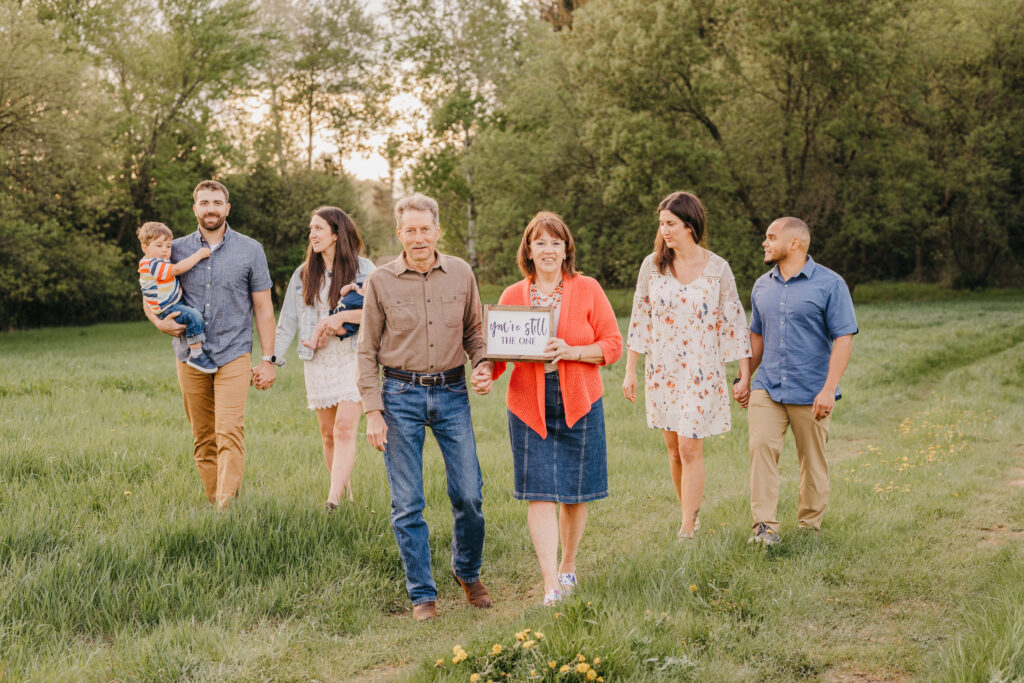

Walking poses instantly make family portraits feel more natural.
Have everyone walk slowly while holding hands, linking arms, or simply walking side by side. Then create variety by asking them to look at the camera, look at each other, or laugh together.
Changing where you’re standing as the photographer also creates a completely different image without changing the pose itself.
Finish with relaxed sitting poses

Once you’ve finished standing and walking, move into a few sitting poses.
Have mom and dad sit first, then bring the older kids in close around them. Another option is placing everyone in one straight line for a more relaxed look.

Simple changes in where people sit or where they’re looking are often all you need.
Don’t forget the family breakouts

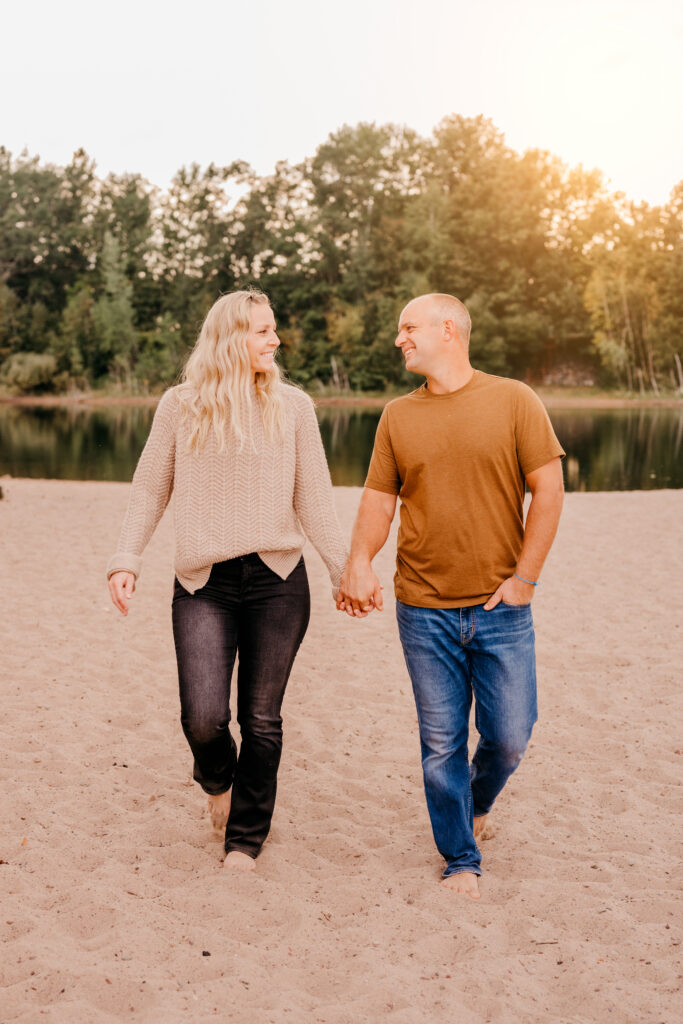

After the full family portraits, move into smaller groupings.
Capture mom with the kids, dad with the kids, siblings together, and finally mom and dad by themselves. These smaller combinations often become some of the family’s favorite images.
Create more variety without creating more work
If you’ve worked through your posing workflow and still have time left, don’t panic.
Instead of inventing brand-new poses, simply move to a nearby location and repeat your favorite standing, walking, and sitting poses.


A different background gives the gallery a fresh look while keeping your workflow simple.
Keep your family sessions simple
The best family photographers aren’t the ones who know hundreds of poses.
They’re the ones who have a simple system they can repeat with confidence.
Standing.
Walking.
Sitting.
Small breakouts.
A new location.
That’s really all you need to create a beautiful family gallery without feeling overwhelmed.
Want to master natural light? 🎥

If lighting still feels confusing, we’ve got you.
Our free Glow & Grow Training breaks natural light down step-by-step so you can stop guessing and start creating bright, consistent portraits with confidence.
Inside, you’ll learn how to find beautiful light, avoid harsh lighting situations, and create the soft, glowing portraits you’ve been working toward.
Grab your free seat below, and let’s make lighting finally click.
👉 Watch the free Glow & Grow training here:
https://esquaredphotography.com/glowandgrow
More places to hang out with us 📸
🎥 Watch the full YouTube video here:
https://www.youtube.com/c/ESquaredErinandEmily
📷 Follow us on Instagram:
https://www.instagram.com/esquared.photography/
🎁 Grab more free photography resources:
https://esquaredphotography.com/freebies
You are not behind.
You just need a plan.
Glow & Grow with E-Squared
How to Master Natural Light for Stunning, Client-Winning Portraits. This video training walks you through how to avoid bad light, deal with not ideal light, and find beautiful light.
Free Training


